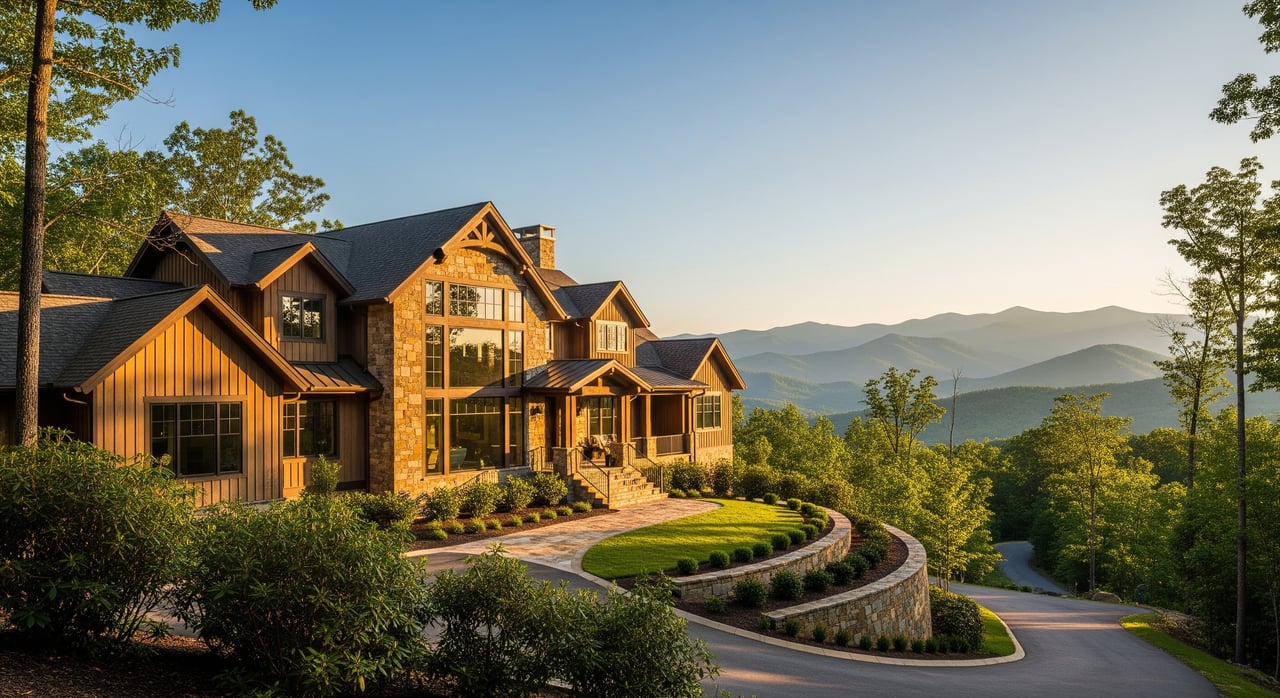
Understanding HOA vs POA in Western NC Mountain Communities
Picture yourself driving a winding mountain road to a home with a view, then hitting a closed gate or a rutted stretch after a storm. If you’re buying in Western North Carolina, that small moment can tell you a lot about whether an HOA or POA is running the show and how well it’s managed. You want clear answers on dues, road maintenance, rental rules, and who makes decisions. This guide breaks down what HOA and POA really mean here, the questions to ask, and how to spot red flags before you write an offer. Let’s dive in.
In Western North Carolina, you’ll see both HOA (Homeowners Association) and POA (Property Owners Association). In practice, both are community associations created by recorded covenants that manage shared property or services and enforce rules. The label matters less than the documents that govern the community.
Every association runs on its declaration of covenants, bylaws, and rules. These recorded documents set what’s allowed, how the board is elected, and how dues and assessments work. The covenants attach to the land, so they bind current and future owners until properly amended.
North Carolina has statutes for planned communities and condominiums, along with nonprofit and property laws. These laws influence things like voting rights, disclosures, liens, and foreclosures. The practical takeaway is simple: the association’s recorded documents and state law together control powers like assessments, fines, and enforcement.
Most associations elect a board that runs day-to-day operations. Your key focus should be how many board members there are, how often they meet, and how votes work for big decisions. Look for clear quorum rules and what percentage of owners must approve special assessments or amendments.
You should also know what records you can view. Many associations allow owners to review financials, meeting minutes, and notices. As a buyer, request recent board or annual meeting minutes and financial statements to see real activity, not just promises.
Dues vary widely because each community funds different things. Some cover only basic road upkeep. Others include gates, trails, or more. A healthy association also saves for future repairs through a reserve fund.
Ask if there’s a current reserve study and when it was last updated. Communities without reserves often resort to one-time special assessments for big projects. Review the budget, reserve balance, delinquency rates, and the history of assessments over the last few years.
Private roads are common in Jackson, Haywood, Macon, and Swain counties. The state typically does not maintain them, so plowing, grading, and repairs fall to the association or owners per the road agreement. Some communities have both a road-only POA and a separate HOA for amenities.
As a buyer, confirm who maintains the road, how costs are shared, and when the last major work was done. Ask for the drainage plan and who handles culverts and ditches. Make sure there’s clear emergency access and turnaround that accommodates fire and EMS vehicles.
An HOA may offer amenities like a gate, clubhouse, trails, or lake access. A POA may focus more on infrastructure such as roads and shared gates. Either way, verify what exists, the rules for use, and how it is maintained.
Check the hours, guest policies, and replacement plans for amenities. Also confirm whether the association is self-managed or uses a professional management company. That choice affects both responsiveness and operating costs.
Declarations often include rental rules. Some allow short-term rentals, while others set minimum stays or ban them altogether. Local county or town rules can also apply and vary by location, so you need to check both the community rules and local ordinances.
If rental income is part of your plan, get the exact policy in writing. Make sure you understand any registration requirements, occupancy limits, and enforcement practices. Your lender may also want documentation on rental rules.
Associations can levy fines for violations and may place liens for unpaid assessments. The process and timelines are shaped by state law and the governing documents. Ask about any pending enforcement actions tied to the property you’re considering.
It also helps to know if the association has been involved in recent litigation. Lawsuits can lead to higher assessments or insurance changes. Review disclosures and ask direct questions.
Most associations carry liability insurance for common areas and directors and officers coverage. Condo-style communities may also have structural master policies, which is different from single-family neighborhoods where owners insure their own homes.
In mountain settings, consider wildfire risk, storm damage, and debris cleanup on common roads and gates. Get a summary of the association’s policies and verify what you must insure personally, including your dwelling, contents, and any well or septic systems on your property.
Many properties in WNC are second homes or vacation rentals. This can concentrate wear on roads and amenities during peak seasons. It can also change how reserves are used and how community rules are enforced.
Confirm plow schedules, sand or salt policies, and who is responsible if a vehicle gets stuck on private roads. The ability for emergency services to access homes in winter is critical. Ask if the community meets standards for fire and EMS vehicles.
Many neighborhoods rely on wells and septic. Your association may regulate maintenance schedules, setbacks, and testing. Steep terrain makes erosion control and drainage planning essential, so look for clear requirements on culverts, swales, retaining walls, and engineered solutions.
Gated entries are common. Review how codes are distributed, what it costs to replace remotes or tags, and the policies for contractor and delivery access. Emergency responder access should be documented.
A slightly higher fee can be a good value if it funds strong road maintenance, timely plowing, and healthy reserves. A low fee that ignores roads or drainage can lead to unpredictable assessments. Compare the scope of services, the reserve plan, and the history of repairs when you evaluate the monthly or annual dues.
If short-term rental income is part of your strategy, make sure both the community’s rules and the local ordinances support it. If a quiet, residential feel is your goal, look for communities that restrict short-term rentals and consistently enforce those rules.
In our mountain markets, the difference between a smooth ownership experience and constant surprises often comes down to governance, roads, and reserves. The HOA vs. POA label is only a starting point. Your best moves are early document review, pointed questions about road maintenance and winter access, and a clear look at financials and rental rules.
When you’re ready to tour, we’ll help you get the documents in advance, read the fine print, and compare communities apples-to-apples so you can buy with confidence.
Ready to find the right mountain community for you? Reach out to the Conley Rogers Real Estate Group for local guidance and a smooth path from tour to closing.
Market Update
Northern Jackson County Real Estate Update

Community
A Free Family Event in Western NC
Market Update
Who is the top real estate agent in Western North Carolina?

Northern Jackson County Real Estate Update

A Magical Holiday Treat for WNC Families!
Market Update
What Buyers & Sellers Need to Know Right Now
Our strong work ethic and negotiating skills will ensure you have a positive buying/selling experience. Contact Us today to discuss all your real estate needs!